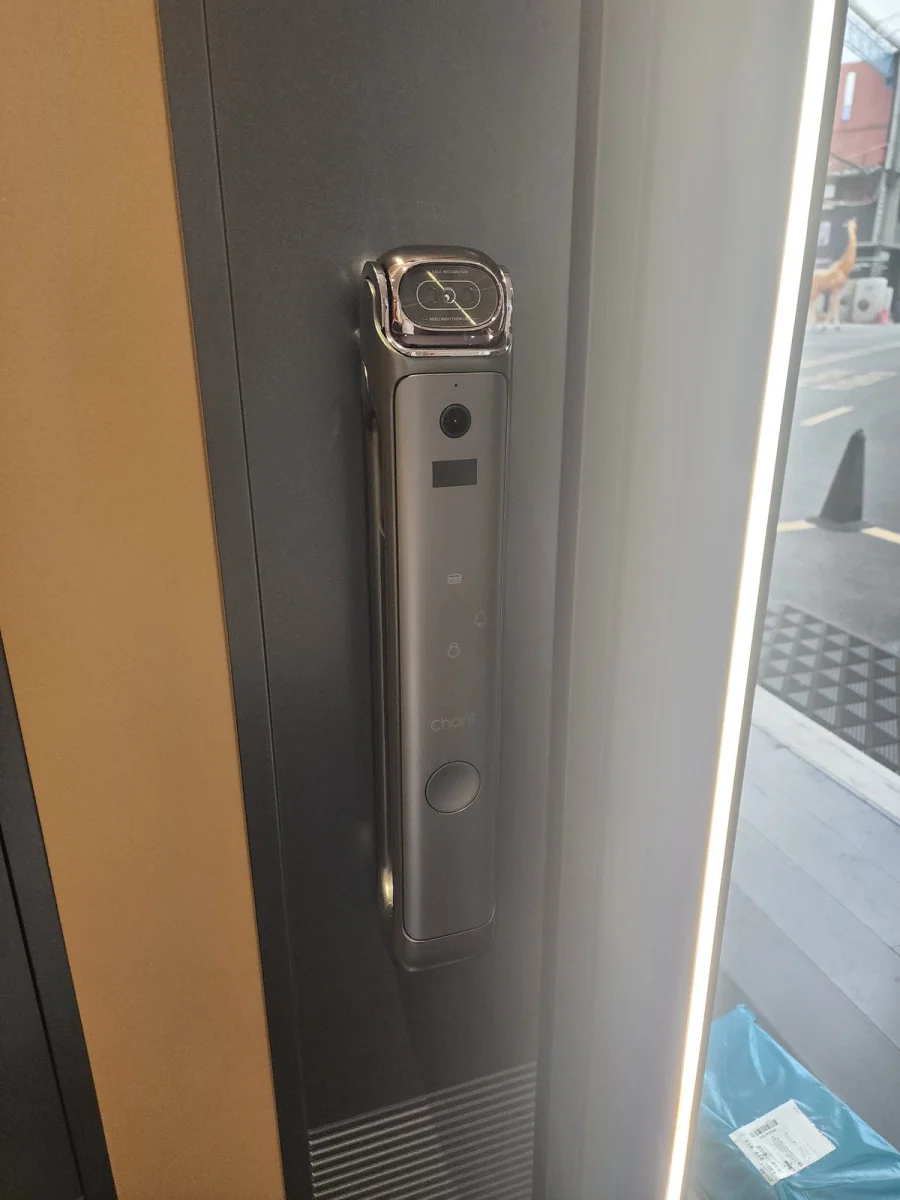
Identify the exact component
List hardware by manufacturer and model where agreed, or describe the required function clearly enough for a proposed alternative to be reviewed. Include finish, mounting arrangement and any associated parts. “Soft-close runner” is not a complete specification. Ask the manufacturer to identify the proposed fitting and its relevant technical data before confirming that two quotations offer equivalent construction. Keep the accepted references in the final item schedule.
Match the fitting to the intended use
Explain the expected operation, contents and frequency of use. Discuss drawer extension, door opening, handle clearance, locking arrangements and floor protection as relevant to the item. Load information must relate to the proposed assembly and installation conditions, not simply an isolated headline claim. Where safety or accessibility requirements apply, qualified project advisers should establish the criteria and review the offered solution before production proceeds.
Review the installed result
A recognised hardware brand does not, by itself, prove that the furniture functions correctly. Check the fitting in the actual mock-up or production review: alignment, movement, noise, adjustment and access all matter. Look at whether a handle catches nearby clothing or whether a door clashes with adjacent furniture. Record problems against the item code and require the agreed correction to be reflected in repeated production.
Keep substitutions and spares controlled
A replacement hinge or runner may require a different drilling pattern, clearance or mounting plate. Ask for approval before substitutions and record any effect on construction, price or delivery. Plan a proportionate spare-parts list for components that are easy to lose or wear, such as glides, keys and removable connectors. Store part references and supplier details with the operator’s maintenance records so future replacement does not depend on identifying a fitting from a photograph.
Project checklist
Before you release the order
- Record component references and finish.
- Check operation and installation compatibility.
- Approve substitutions before they enter production.
- Retain spare-part references and adjustment guidance.
A useful question
Can a factory change a hinge to an equivalent model without review?
Only if the agreed purchasing terms explicitly allow that substitution and its criteria. Otherwise, request the proposed model and assess function, fit, appearance and serviceability before approving the change. A similar-looking fitting may not be interchangeable.