Start with a unique item identity
Give every item a code that stays consistent across the floor plan, quantity schedule, quotation and purchase order. Record the intended room or zone, quantity, overall dimensions and reference drawing. Identify variants explicitly: a chair with arms and a chair without arms should not depend on an informal message for distinction. For repeated items, separate the total quantity from the room allocation so later layout changes can be traced.
Describe construction, not just colour
State the proposed substrate, exposed finish, edge treatment, upholstery build-up and hardware where relevant. Record whether a reference is an exact requirement or a design direction open to manufacturer proposals. A finish name such as “walnut” does not explain whether the piece is solid timber, veneer or a decorative surface. Ask for unresolved construction details before comparing prices, rather than assuming every quotation describes the same product.
Translate use into review requirements
Describe expected use, cleaning routines, exposure to moisture or sunlight and access constraints. Identify the destination and ask qualified project advisers to define applicable safety, accessibility and testing requirements. Assign who supplies evidence and who reviews it. Avoid vague instructions such as “commercial quality” without a defined expectation. Electrical components, anchoring and built-in interfaces need coordination with the relevant trades, even when purchased with the furniture package.
Control changes before the factory proceeds
Name the person authorised to approve drawings, samples and substitutions. Use dated revisions and record which version governs the purchase order. A lower-cost alternative should show the changed material or component, price effect and programme effect. Mark unresolved issues clearly and decide what work must wait. Keep the accepted specification with the final quotation so a later conversation does not silently replace the agreed product.
Project checklist
Before you release the order
- Match each item code to the quantity schedule.
- List dimensions, materials, finishes and hardware.
- Allocate review and installation responsibilities.
- Record the approved revision and outstanding decisions.
A useful question
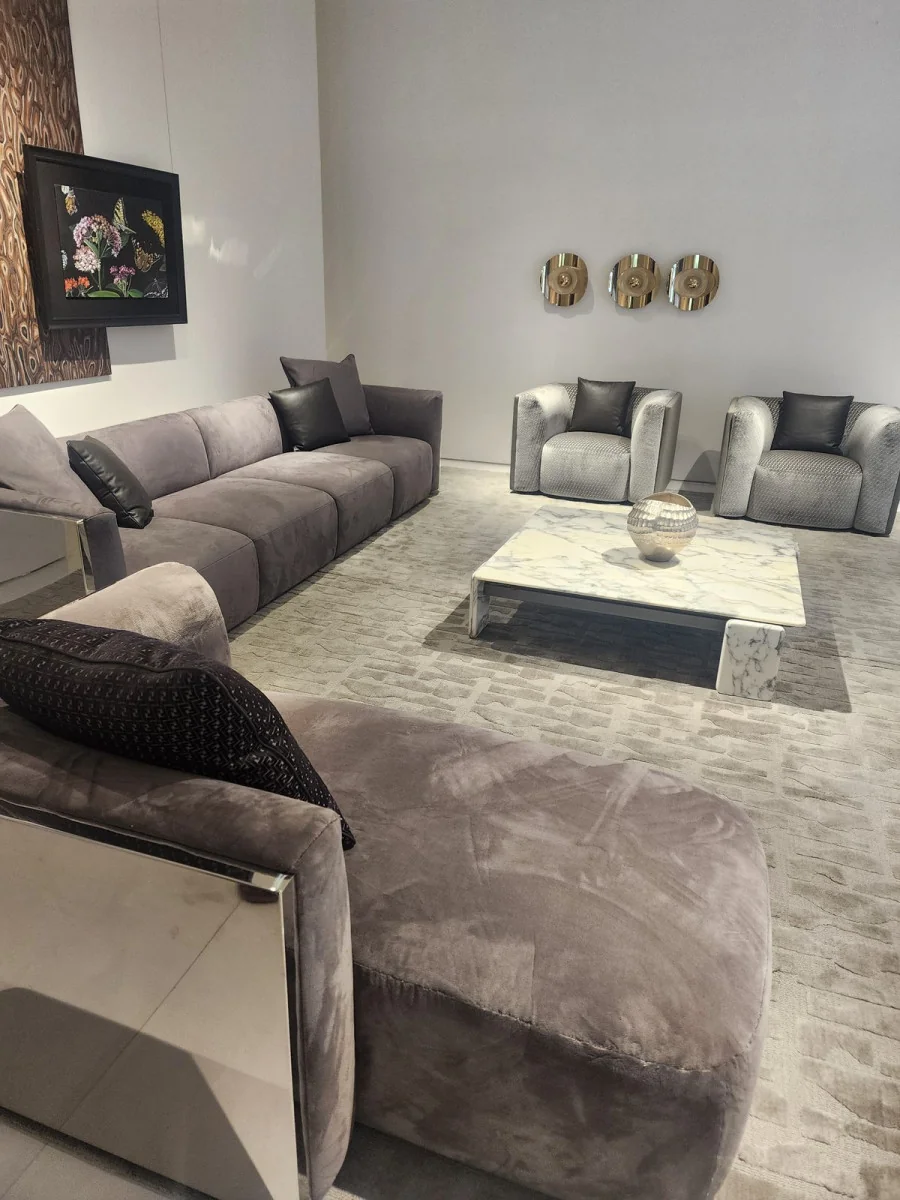
Can a reference photograph serve as the complete FF&E specification?
Usually not. A photograph rarely establishes dimensions, internal construction, material thickness, fittings or performance requirements. Use it to communicate appearance, then add a written specification and drawings proportionate to the complexity of the item.