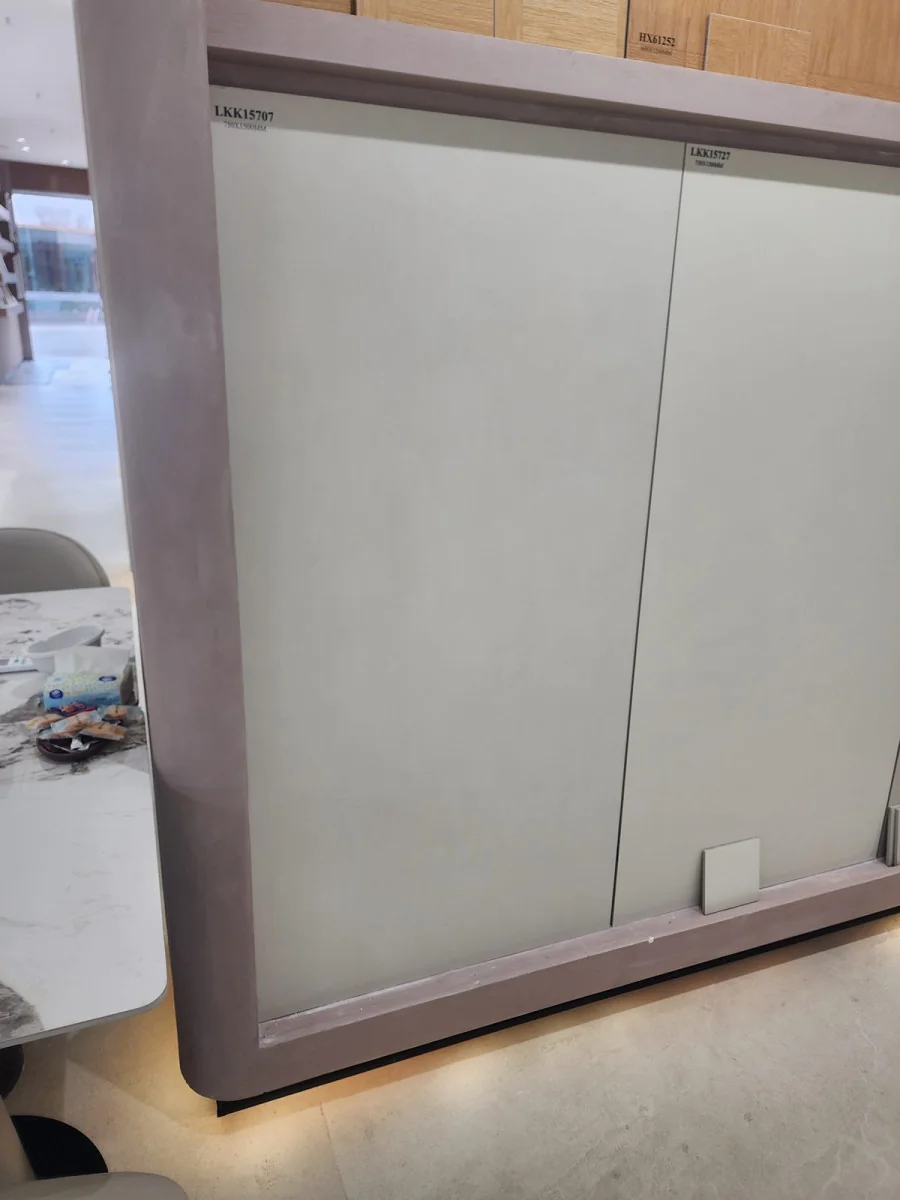
State the purpose of every sample.
For timber, record the substrate or construction, veneer or species where relevant, colour, sheen and edge treatment. For upholstery, record the supplier reference, colourway and required performance evidence. For metal or stone, specify the material, surface treatment and where it will be used. A photograph is useful for communication, but it does not replace a physical reference for decisions affected by colour or texture.
Use a simple approval register.
Give each submission an item code, sample reference, revision and date. Record a status such as approved, revise and resubmit, or approved with clearly listed conditions. Name the person authorised to decide. Keep a matching reference with the manufacturer where practical. If the sample is approved only for colour, say so; do not let that become an accidental approval of construction or dimensions.
Resolve differences before release.
Review finishes together under the intended lighting where possible. Natural materials can vary, so agree an acceptable range rather than relying on one perfect piece. A prototype review should also cover the features that cannot be judged from a swatch, such as comfort, joints, moving parts and assembly. Record corrections and confirm the final production version before repeated manufacture.
Project checklist
Sample register fields you can copy
- Item code / room type / supplier sample reference
- Material and finish / drawing revision / purpose of approval
- Decision / conditions or corrections / authorised approver
- Approval date / retained reference location / production release status
A useful question
Does approving a sample mean the product is certified?
No. Appearance approval and technical compliance are separate matters. Identify the evidence and testing needed for the intended use and destination with the project’s qualified advisers, then include those requirements in the specification.